
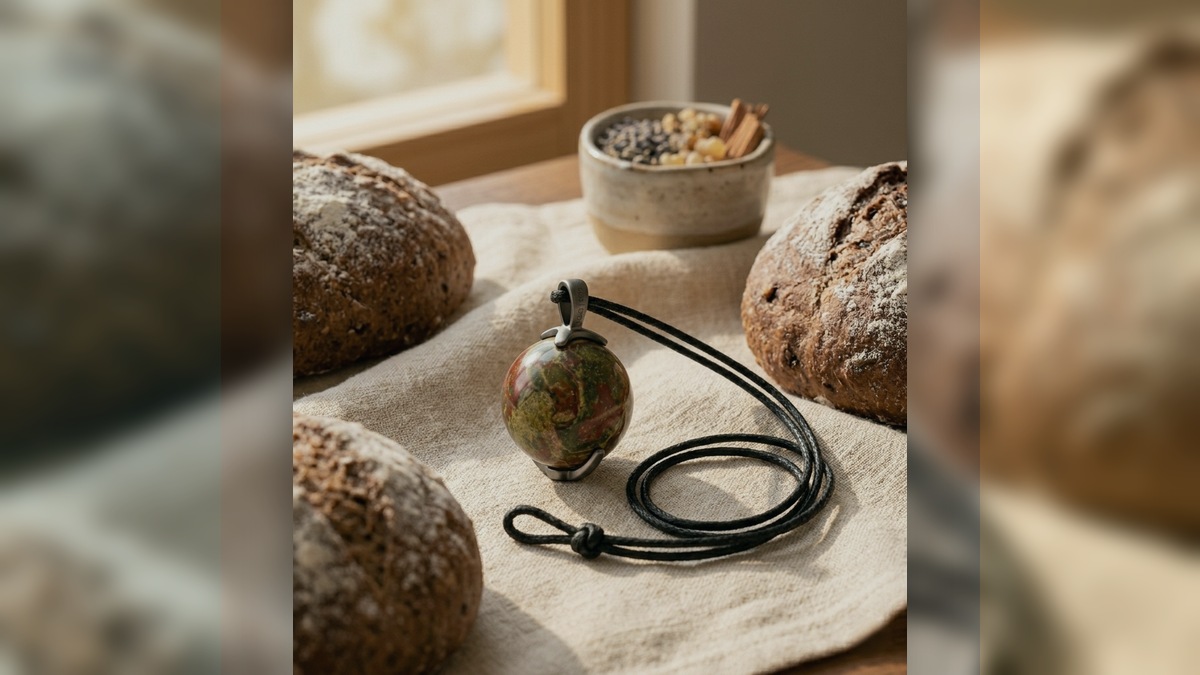
Modern attention is no longer simply a matter of discipline. It is a question of threshold. Notifications, tabs, video fragments, and emotional noise keep the nervous system in constant micro-alert. What looks like distraction is often a body that no longer remembers how to remain inside a single rhythm. Many people blame themselves for lacking willpower, yet the deeper issue is physiological: shallow breathing, elevated vigilance, and a brain trained to scan instead of settle.
Focus Begins with Safety
When the environment feels uncertain, the brain prefers surveillance over concentration. Cortisol remains elevated, breathing becomes short, and attention splinters into rapid checks rather than sustained immersion. At YOJQI, we approach focus as a state of nervous-system permission. Deep concentration emerges only when the body interprets its surroundings as stable, quiet, and non-threatening. In that condition, vagal tone rises, muscular guarding softens, and cognition regains continuity.

Oriental Scent as a Physical Regulator
This is where oriental scent becomes more than atmosphere. Agarwood, Sandalwood, and cooling herbal notes create a sensory field that does not compete for attention. Instead, they stabilize it. Combined with a river-view spatial setting and visual quiet, scent becomes a physical regulator that invites the body back into slower breathing and longer internal rhythms. True focus, then, is not harsh control. It is what becomes possible when the body finally believes it does not have to remain on guard.
YOJQI is interested in that exact transition: from fragmentation to continuity, from surveillance to presence, from digital abrasion to sensory order. In this framework, attention is not a productivity hack. It is a form of self-healing.
Leave a Reply