
People respond to rooms more honestly than they often realize. You may have entered a space and felt your shoulders loosen before you even sat down, while another room, though polished and expensive, never quite allowed the body to settle. The difference is rarely price alone. It is whether the space has been shaped in a way the nervous system can trust. Rooms that truly support deep rest do not simply look comfortable. They signal, through light, scent, movement, and atmosphere, that the body no longer needs to remain alert.
Space Is Not the Background of Rest
Many people treat a room as a functional container: clean, quiet, adequate. But the body reads more than function. It registers whether the light is soft or abrupt, whether the air feels empty or held, whether the eye is interrupted by visual noise, whether the space asks for vigilance or allows release. In that sense, space is not the backdrop of rest. It is one of the first conditions that either permits or blocks it. For YOJQI, a meaningful room is never one that proves itself through decorative accumulation. It is one that allows the body to feel placed, steadied, and quietly received before conscious thought has time to explain why.
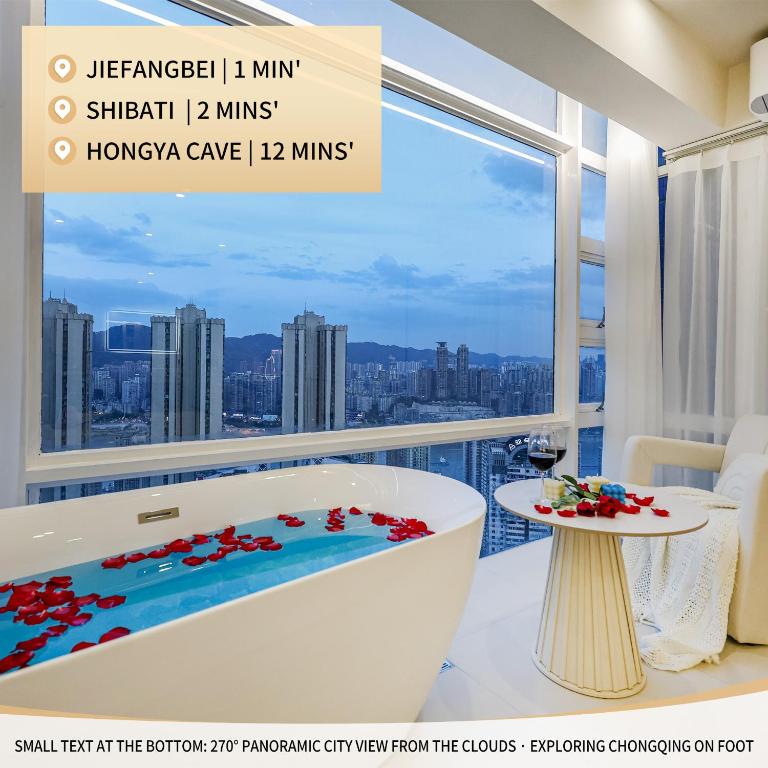
Why Scent Changes the Feeling of a Room
Scent matters because it bypasses much of the mind’s interpretive delay. It carries the emotional condition of an environment directly toward the limbic system. This is why the same room can feel markedly different once a stable oriental scent is introduced. Agarwood, sandalwood, and borneol are not there to make a room merely smell better. They give the air a sense of order. They create an invisible edge that keeps the world from spilling all the way indoors. A room shifts from being a place to pause into a place where the body can gradually collect itself again. This is why scent belongs so naturally to night, reading, bathing, and moments of quiet descent rather than to loud performance.
The Strongest Rest Is Often the Most Carefully Designed Ordinary Space
This is one reason YOJQI treats private space with the same seriousness as product. What most people lack is not more entertainment, but a room that genuinely helps them return to themselves. In a place like Baihong River View Stay, the river view opens the eye, the softer interior light slows the pace, and oriental scent turns empty air into something the body can recognize as safer. Together, these elements make rest feel less like a task to achieve and more like a state the body can enter naturally.
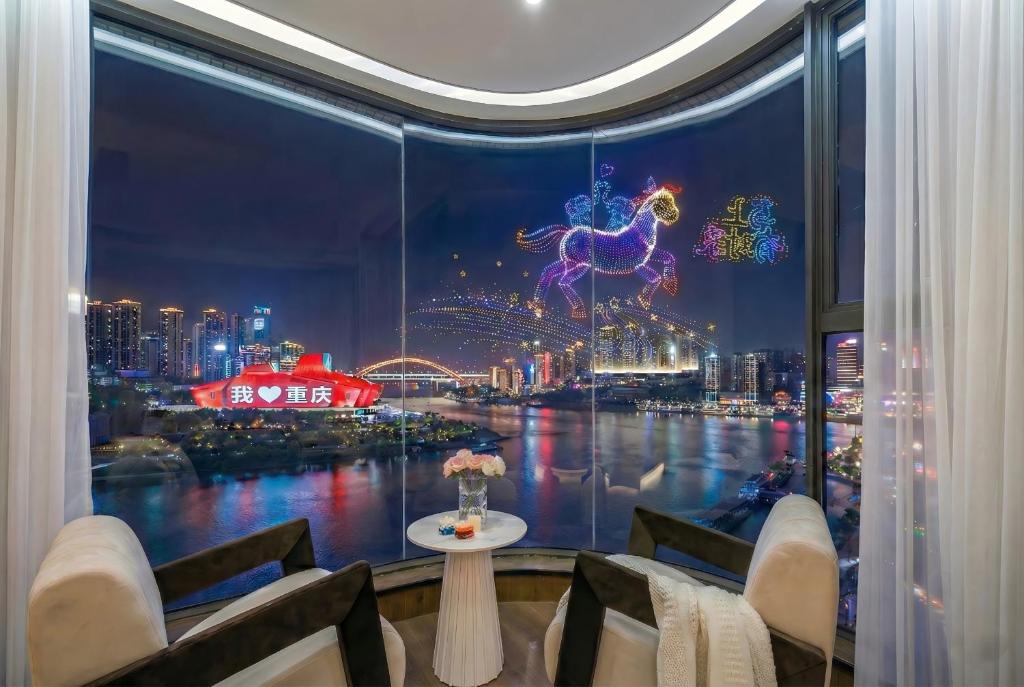
Spatial mood is not a vague aesthetic concept. It is simply the degree to which a room understands the body. If a space makes you put the phone farther away, slow your breath, and feel less defended the moment you enter, then it is already doing something profoundly useful. What YOJQI seeks to build is a way of making that feeling less accidental and more intentional, so that it may be designed, repeated, and brought back into everyday life.
Leave a Reply