
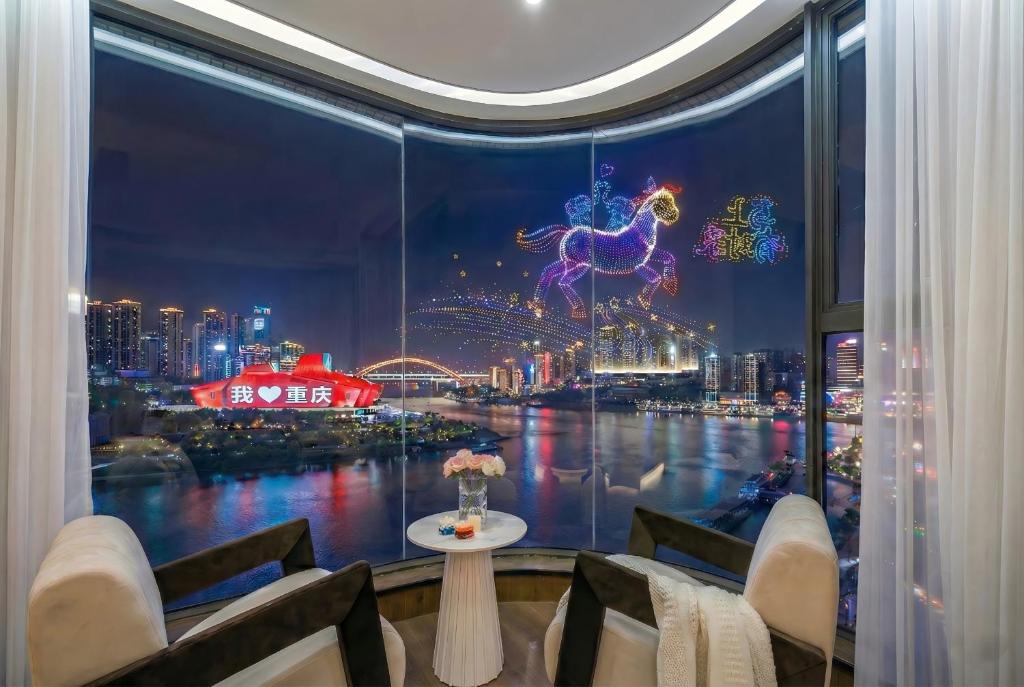
* Beyond the neon filters: a survivor’s guide to the 8D city.
The “Level 22” Trap: Why GPS Fails You
Most visitors realize too late that Chongqing cannot be understood as a flat city. You may be standing on what is technically the 22nd floor and still walk straight out onto another busy street. You may think a destination is only 200 meters away, yet find yourself separated by vertical layers, escalators, bridges, and hidden levels. What exhausts travelers here is not only the hills, but the constant collapse of normal directional logic. For overseas visitors, one of the biggest mistakes is treating Google Maps as the only truth.
A better method is to rely on landmarks before coordinates. Learn the visual anchors first: Hongyadong, Jiefangbei, Qiansimen Bridge, Raffles City. Then figure out which “layer” of the city you are actually on. Chongqing is easier to read through sightlines and walking logic than through map precision alone. Accepting a little drift often helps you adapt faster than trying to force the city into a two-dimensional system.
Hongyadong: Escaping the Tourist Tunnel
Hongyadong is worth seeing. It is one of the city’s most striking compositions of light, terrain, and urban fantasy. It is also one of the easiest places to fall into sensory overload. Crowded elevators, compressed photo zones, repetitive commercial pathways, and the constant roar of movement can quickly turn visual fascination into exhaustion. Many travelers think they need to get closer to the spectacle, when in fact the better experience often begins by stepping slightly away from it.
If you want to experience Chongqing rather than be consumed by a landmark, the smartest move is not to remain trapped inside Hongyadong itself. It is to find quieter river-view spaces nearby where the city can still be observed without overwhelming the body. High-rise stays around Jiefangbei can offer exactly that rhythm. You still see the pulse of the city, but you are no longer swallowed by it. That distance is not avoidance. It is sensory strategy.
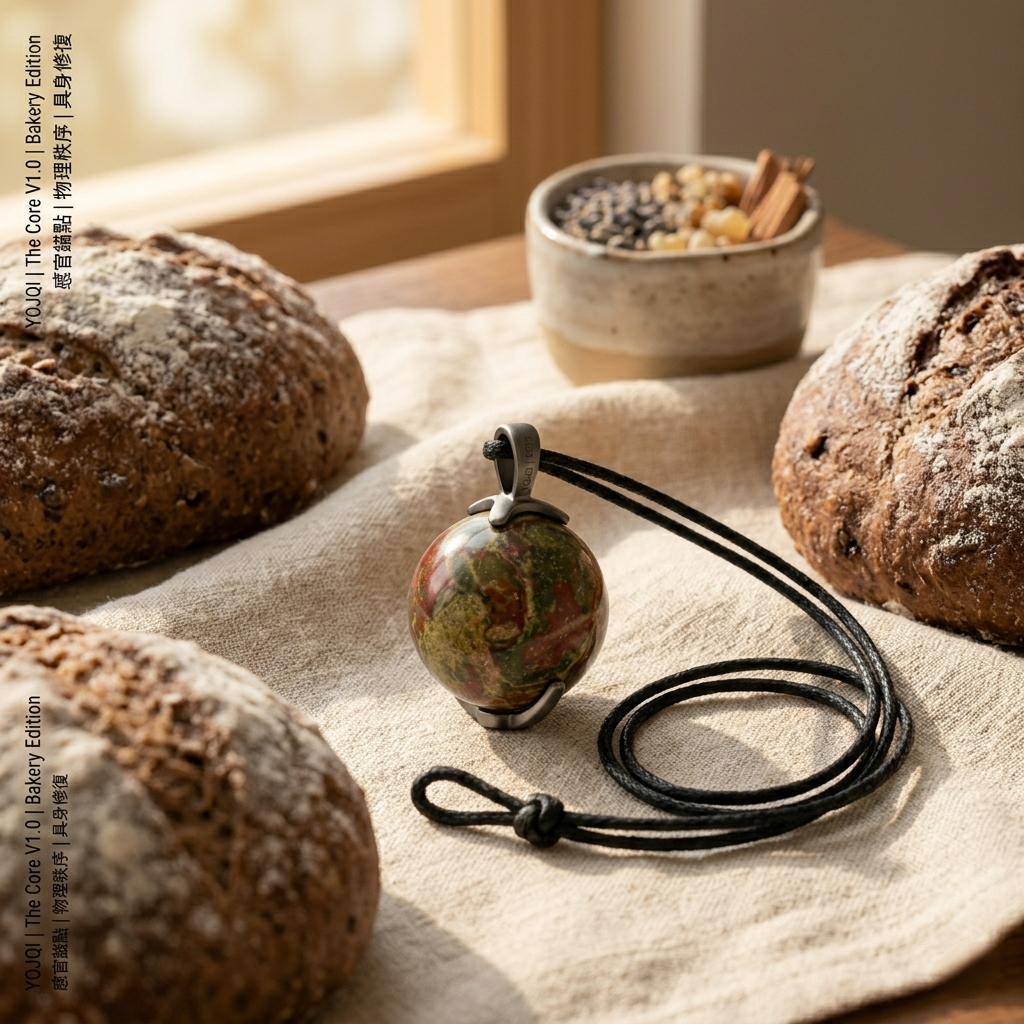
* In the chaos of Chongqing, 6mm of precision may be your only anchor.
Survival Tip: Reset Your Nervous System
After a full day of 8D stairways, neon intensity, and crowd noise, cortisol is often far higher than travelers realize. Your legs may feel tired, but the deeper fatigue usually comes from a nervous system pushed into continuous stimulation. This is exactly why we designed the YOJQI Sensory Anchor. In our Chongqing homestay spaces, what we offer is not only accommodation, but a physical stop-loss point for the senses.
Hold the 18mm herbal core. Touch the 6mm titanium pivot. The fingertips receive a cool, exact signal almost immediately. The value of this gesture is not mystical. It is practical. It helps you return from an intensely visual city back into touch, weight, and presence. The city remains loud, but your awareness no longer has to scatter with it. Surviving Chongqing like a local is not only about knowing where to walk. It is about knowing when to step out of the city’s speed and return to your own center.
Leave a Reply