
* In Chongqing, the first night is easier when payment, navigation, and recovery are prepared before arrival.
A first night in Chongqing can feel surprisingly demanding for overseas visitors. The city is vertical, entrances can sit on different road levels, and the most beautiful areas are often also the most sensory-dense. If you arrive after dark, payment, navigation, and check-in details can decide whether the evening feels calm or fragmented.
The goal is not to over-plan the city. The goal is to reduce first-night friction so the body can stop scanning earlier.
01. Prepare Payment Before the Ride Begins
China’s official English payment guidance states that overseas visitors can use mobile payments, bank cards, and cash. It also notes that foreign users can link international credit cards, including Visa and Mastercard, to major platforms such as Alipay and WeChat Pay. Recent official data continues to show strong growth in payment activity by overseas visitors.
For practical travel, this means you should not leave payment setup until the taxi stops. Prepare one mobile payment path, one physical card backup, and a small amount of RMB cash for edge cases. Less payment friction means less late-night decision fatigue.
02. Chongqing Navigation Is Vertical, Not Flat
Before your first ride, save the Chinese address, building name, entrance photo, and a short driver note from your host. In Chongqing, being close on the map is not always the same as being close on foot. A drop-off point on the wrong level can turn a beautiful first night into a confusing climb.
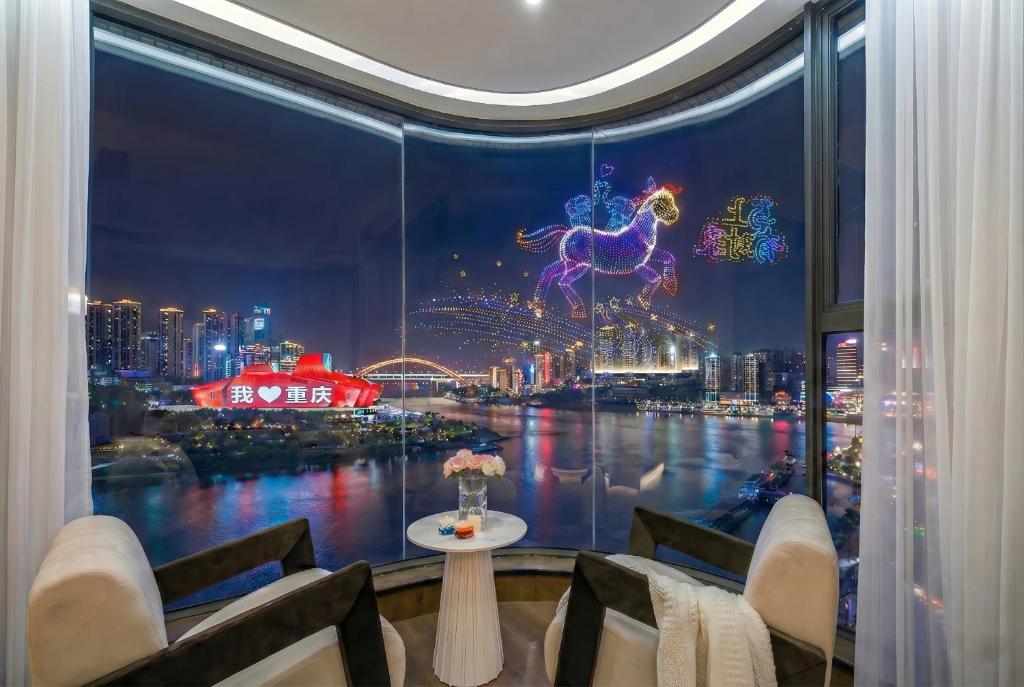
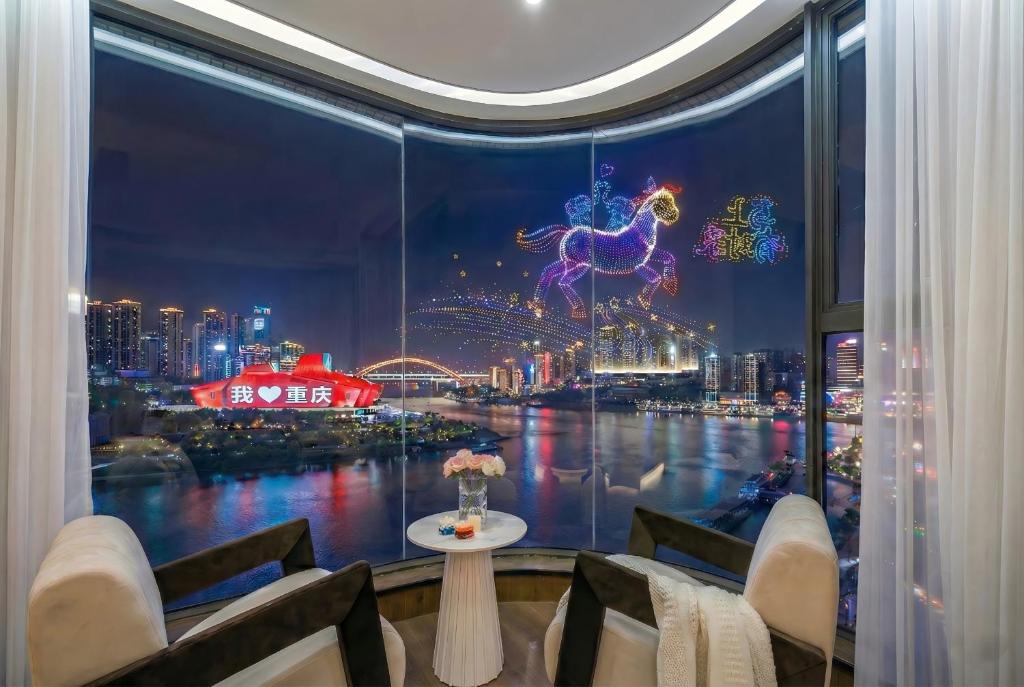
If you are staying near Jiefangbei, Hongyadong, or a high-floor river-view building, confirm the lobby floor and road-level entrance before you move. The YOJQI Chongqing Guide and Baihong river-view stay page are useful starting points for this slower arrival logic.
03. Use the Room as a Recovery Boundary
After check-in, avoid turning the room into another planning station. Do not make the first hour carry the whole itinerary. Let the window, shower, lighting, and one tactile object tell the body that the moving part of the day is over.
This is where YOJQI’s Protection language connects with travel. A wearable therapy anchor is not only a product for work stress. It can also become a small boundary after airports, ride-hailing, maps, translation apps, and late-night city brightness. The first night becomes easier when the body has fewer signals to answer.
First-night rule: solve payment before arrival, save the entrance before the ride, ask for the driver note before the evening, and let the first hour after check-in stay quiet enough for the body to land.
Reference for travelers: official English payment guidance from the State Council is available here, with additional recent payment activity data here.
Leave a Reply