
Collections / Ruihe
This page should read as a method container first, then a collection, then product entry.
Chinese version: Ruihe|睡眠恢复系列
- Problem
- Recovery
- Ritual
- Collection
- Product
The Collection Story
Ruihe is YOJQI’s collection for the hour when the day should begin releasing its hold.
It is built around a simple observation: many people do not only need sleep. They need help arriving at sleep. They need a gentler boundary after digital fatigue, social exposure, travel residue, and mentally unfinished days.
Ruihe is not positioned as ornamental product first. It is a sleep recovery collection: quieter in tone, inward in emotional direction, and meant to support the movement from outward pressure toward inner restoration.
If other collections speak to focus, motion, or emotional balance, Ruihe speaks to return.
What Problem Ruihe Is Designed For
- evening depletion
- difficulty winding down after work
- sleep that begins without feeling settled
- waking in the night after overstimulated days
- a need for a more personal, body-close recovery cue
It does not claim to treat insomnia or diagnose sleep disorders. Its role is gentler and more specific: to support a repeatable evening threshold.
Why Sleep Recovery Needs More Than A Product
Most sleep-related commerce jumps too quickly to solution language. Better sleep is treated as a feature, a device, or a supplement category. YOJQI takes a different route.
Sleep recovery starts earlier than sleep itself. It begins in transition quality. It begins with whether the body is given any believable signal that the day is over. That is why Ruihe belongs inside a broader sequence: Problem – Recovery – Ritual – Collection – Product.
Two Ways To Enter Ruihe
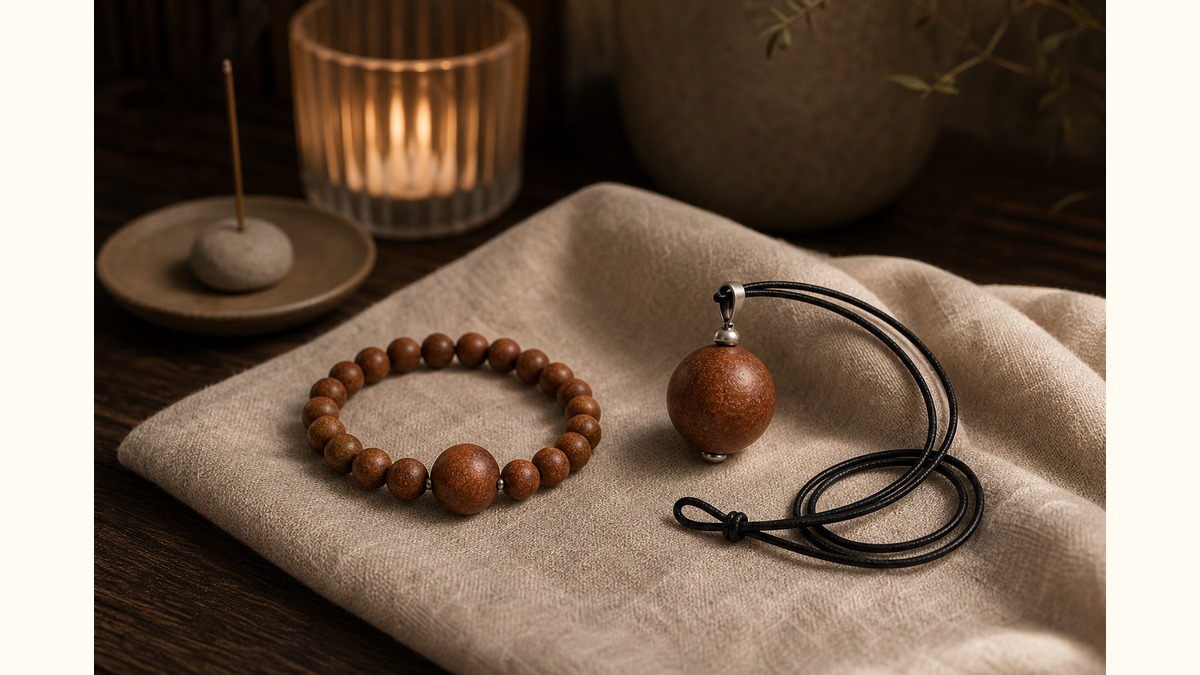
1. Ruihe Bracelet
Wrist Anchor – Ruihe Sanctuary Bracelet is the more tactile option. It stays close to pulse, movement, and habitual hand attention. It works especially well for people who benefit from touch-based cues and want the Ruihe logic in a discreet daily format.
2. Ruihe Pendant
Ruihe Sanctuary Anchor is the more chest-centered option. It sits closer to the breath line and can feel more like a visible private threshold: not loud, but present.
Both products belong to the same Ruihe field. The difference is not the story. The difference is the point of contact.
Enter Ruihe From Here
How To Start
- Read Why Am I Always Tired?
- Read Why Am I Waking Up At 3AM?
- Practice Evening Ritual
- Choose bracelet or pendant based on where you want the recovery cue to live on the body
This path matters because the collection page should not behave like an isolated product shelf. It should hold the method.
Leave a Reply