In recent months, a notable shift has emerged across luxury travel conversations in the West. People are no longer asking only whether a room is large enough, photogenic enough, or filled with enough experiences. They are asking a more intimate question: will my body actually soften here? More hotels are beginning to frame their value around ‘nervous system reset,’ treating quiet, predictability, lower stimulation, better sleep, and slower pacing as part of what luxury now means. This is not merely an aesthetic adjustment. It is a response to digital overload. A meaningful stay is no longer one that dazzles the mind for an hour, but one that allows the shoulders to drop, the breath to deepen, and the body to feel less defended.
Why Quiet Is Becoming a Luxury Standard
For years, hospitality sold stimulation: packed itineraries, maximal amenities, constant novelty, and the pressure to experience more. But a nervous system already fatigued by notifications, fragmented attention, and poor sleep does not necessarily need more input. It needs less friction. Current travel language such as Hushpitality and emotion-led travel points toward the same truth that YOJQI has been building around for some time: people are increasingly willing to pay for environments that help them recover. The most valuable room is not the one that keeps the body activated. It is the one that quietly absorbs external pressure and returns a sense of safety.
What ‘Nervous-System Friendly’ Really Means
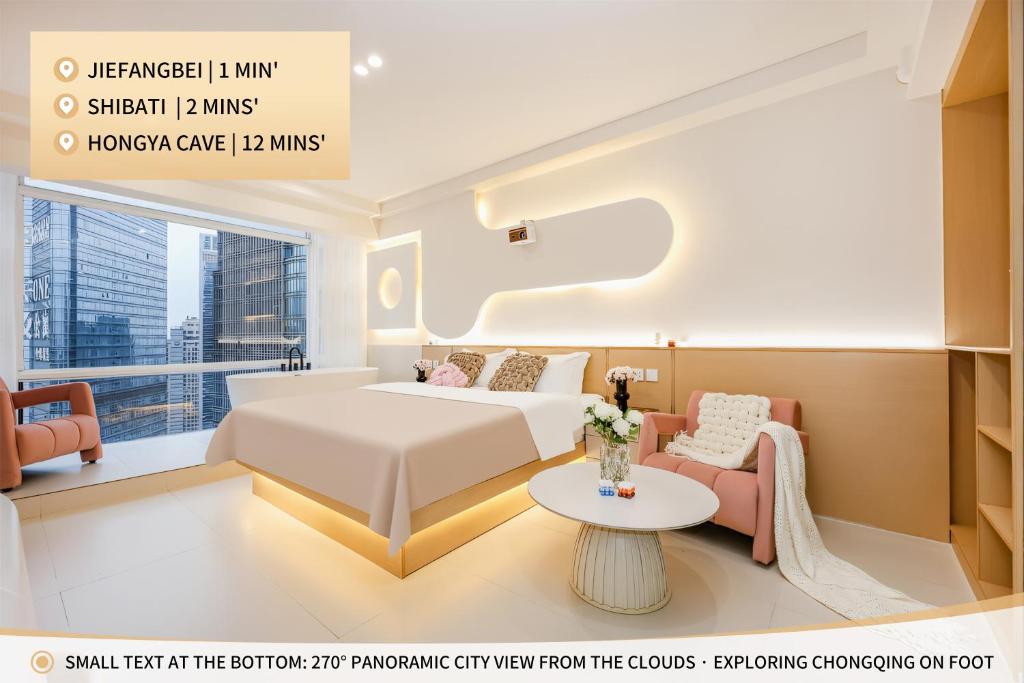
From a physiological perspective, regulation does not happen because someone tells the body to relax. It happens because the environment keeps sending stable signals. Light that does not agitate, acoustics that do not intrude, movement through space that feels simple, and air that carries a familiar sense of calm all influence whether the body remains guarded or begins to release. This is where oriental scent becomes especially important. It is not merely decorative. It functions more like a subtle intervention. Scent reaches emotional processing quickly, and medicinal woods are particularly gifted at creating order rather than spectacle. Agarwood gathers, sandalwood steadies, and borneol clears. Together, they make a room feel legible to the body, not just beautiful to the eye.
YOJQI and the Idea of the Recovery Stay
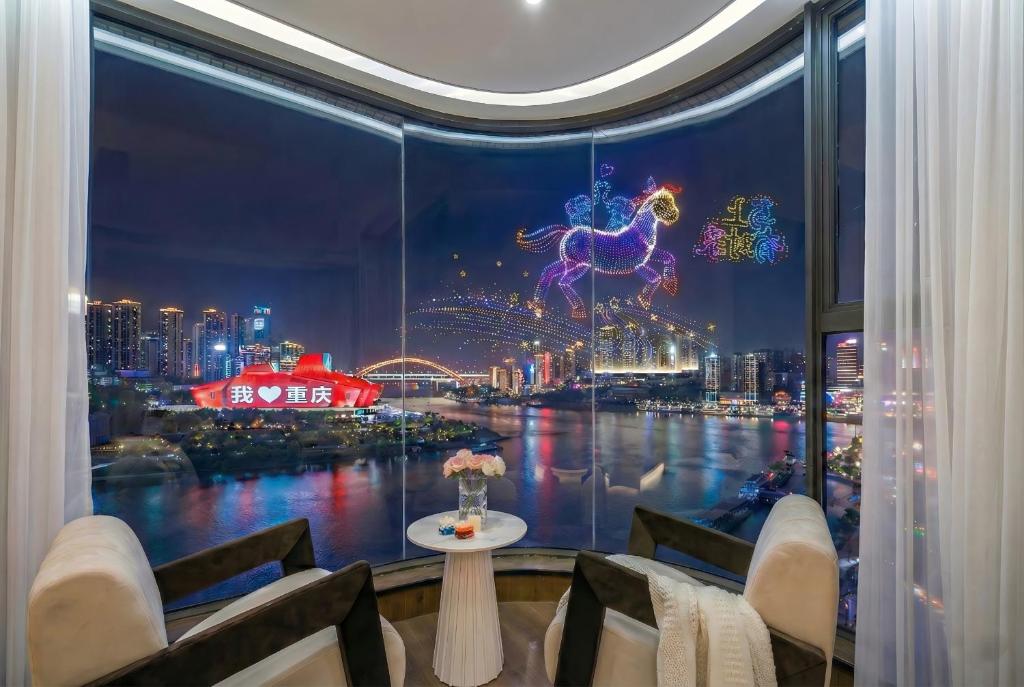
This is why luxury now feels more compelling when it becomes restorative rather than excessive. YOJQI is interested in bringing oriental scent, river-view hospitality, and low-stimulation spatial rhythm into one coherent experience. The goal is not to fill a stay with more content, but to give the nervous system room to downshift. The river widens the gaze. The room lowers the noise floor. The scent fixes that quiet in the air, so calm is not momentary, but memorable. Perhaps that is what makes this trend so resonant right now: the most desirable destination is not the one that excites us the most, but the one where we finally feel safe enough to exhale.
Leave a Reply