
Some objects matter not because they are seen, but because they can bring the body back in time.
Most people arrive in Chongqing with an itinerary, a taxi app, food lists, and a mental map of night views. Very few prepare for what the body will actually be carrying by the end of the day. What keeps many travelers overstimulated at night is not the schedule itself, but altitude changes, neon density, unfamiliar movement, heat, queues, constant phone use, and the effort of orienting in a city that behaves vertically rather than horizontally. By the time you return to the room, the itinerary may be finished, but the body is often still inside the city.
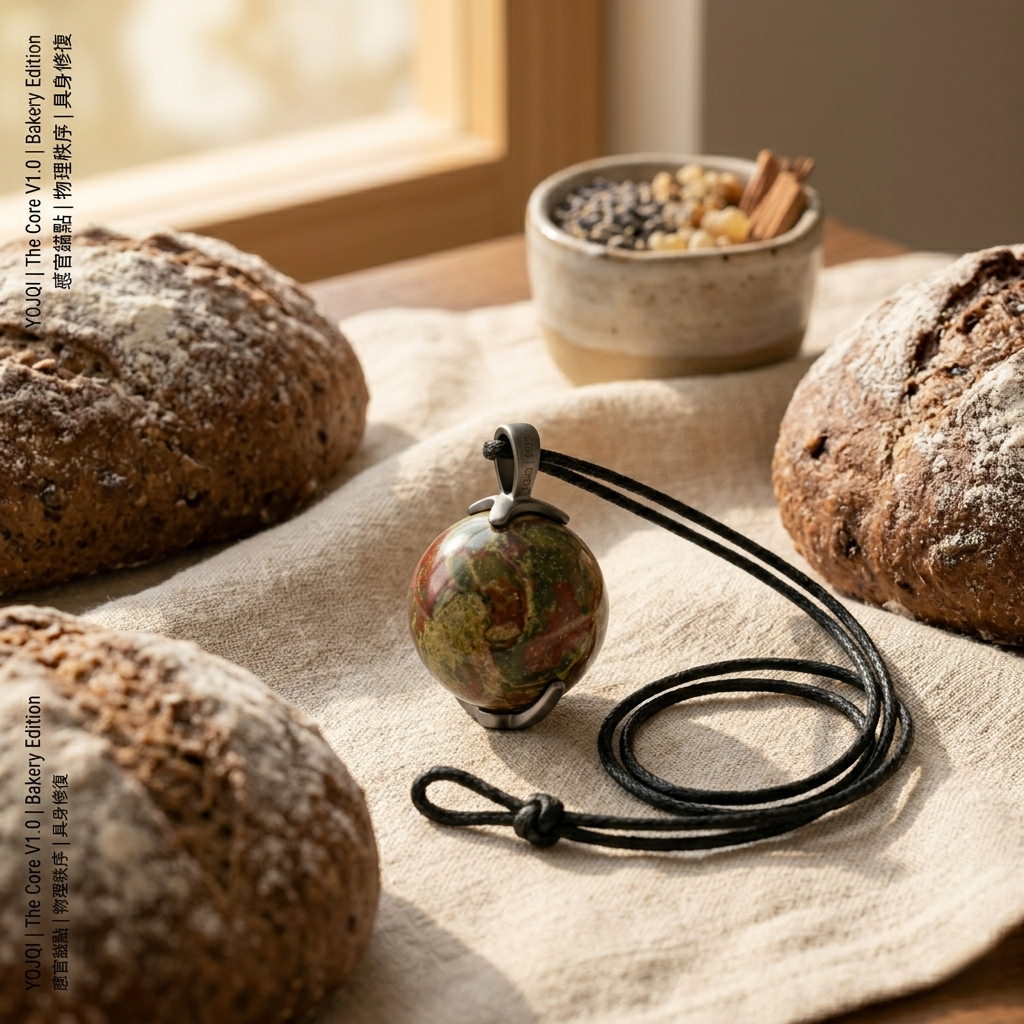
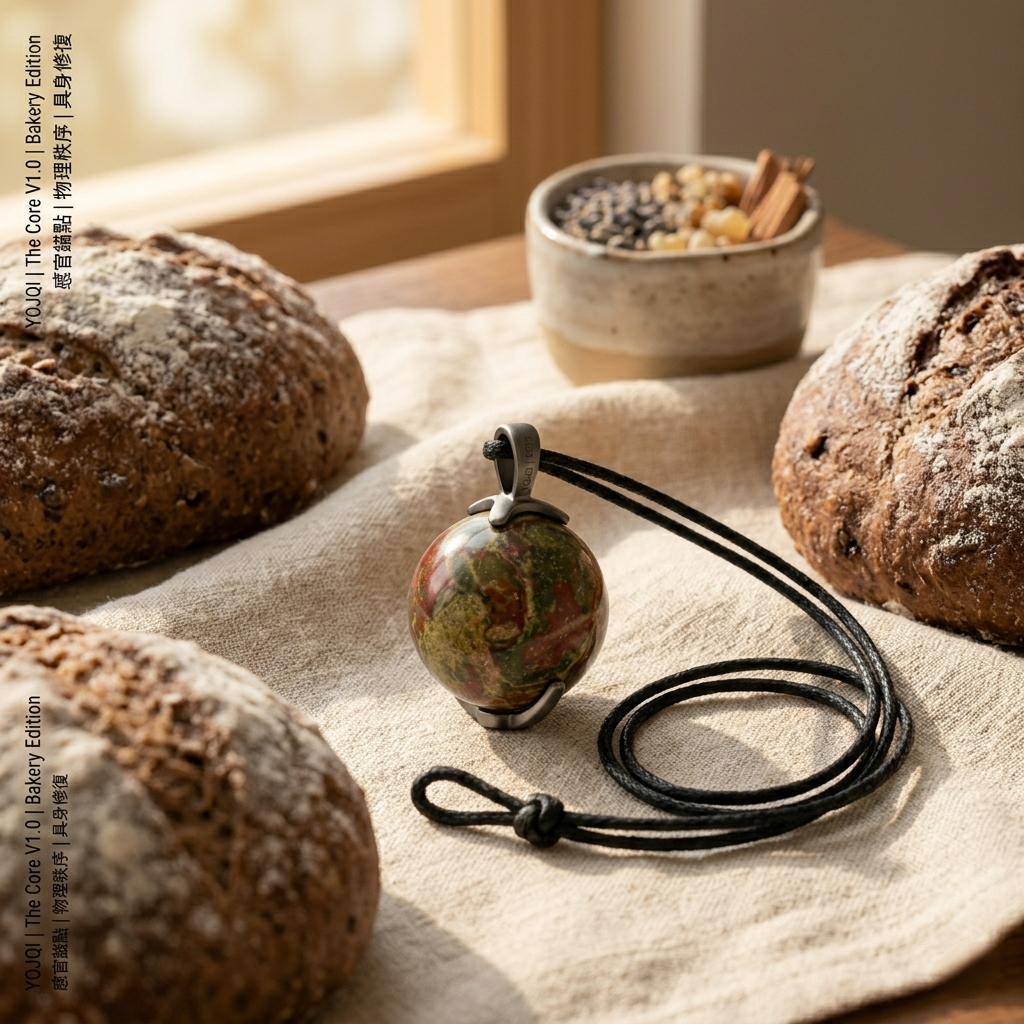
That is why we are increasingly interested in wearable calming objects. If a scent pendant is only an accessory, then it is optional. But if it can offer a repeated cue in a taxi, elevator, queue, hotel corridor, or in the few minutes before you fully settle into the night, then its role changes entirely. It stops being jewelry and starts becoming a sensory anchor: a way of returning attention to the body before the nervous system spins too far ahead.
At YOJQI, we do not think of protection as a mystical keyword first. We think of it as a portable boundary for high-stimulation environments. In our earlier pieces on travel recovery and the Chongqing guide, the same idea keeps returning: real calm usually comes from stable sensory feedback, not from abstract advice to “relax.”
01. The body needs care long after the itinerary is over
Travel asks the body to keep scanning. It scans for direction, floor level, transport logic, payment rhythm, food timing, and the quickest way back. In Chongqing, that demand is amplified. The city is layered, bright after dark, physically irregular, and often more demanding than first-time visitors expect. On the surface, you may only be moving from Jiefangbei to Hongyadong, or from a rail station back to your stay. Underneath, the nervous system is making hundreds of small adjustments.
That is why many people reach the room and still feel internally “switched on.” Recovery is not only about finding a place to sleep. It is about helping the body receive a clear message: movement is over, orientation can pause, and the sensory field can narrow back into something manageable.
Protection in travel is not about adding more intensity.
It is about preserving one stable, repeatable layer of order when everything around you is louder than usual.
02. Why something wearable works better than something you leave in the room
Many comforting rituals fail for one simple reason: they begin too late. Room fragrance, bath heat, and softer bedside lighting can all help, but they only begin once you are already back. In reality, the more fragile moment often happens earlier: on the ride home, in a hotel lobby, while waiting for the lift, or in the few minutes between night spectacle and actual rest.
A wearable scent pendant changes that sequence. It moves the first signal of return closer to the body and earlier in time. You do not need a full ritual to begin. A brief touch, a familiar trace of scent, or the steady awareness that something grounded is resting against the chest can already tell the body it is allowed to move downward.
What matters most is accessibility. Unlike ordinary jewelry, a wearable sensory object can be found quickly, touched without ceremony, and used repeatedly. For travelers moving through unfamiliar crowds and visually intense streets, that accessibility is more valuable than decoration.
03. What “protection” really protects is your sensory boundary
When people hear the word protection, they often imagine external outcomes first. In daily life, however, the more relevant meaning is internal. A good protective object does not replace your judgment or solve every problem around you. It helps preserve the part of perception that is most easily scattered under pressure. It reminds you that not all of your attention has to be handed over to the environment.
This is also how we think about a scent pendant. It may carry aroma, weight, resistance, or a familiar tactile contour. What it protects is not a dramatic fantasy, but a traveler’s ability to keep one part of the sensory field intact. In that sense, the object protects rhythm, not superstition. It gives the body one reliable point of return.
If you are browsing the YOJQI Protection collection, the more useful question is not simply what to buy. It is why certain phases of travel make the body need a faster calming entrance than language can provide.
04. Why Chongqing makes this logic obvious
Chongqing magnifies travel problems quickly. Its roads are not flat, its night views are not quiet, and its tempo is rarely neutral. You are likely to be impressed faster, but also depleted faster. That is why a wearable scent object makes more sense here than in many gentler cities. It is not an optional flourish on a packing list. It is a transition tool that helps the body land properly after a day of vertical movement and sensory excess.
This is especially clear when the stay itself supports the same logic. In places like Baihong River View Stay, where external night views and internal calm can coexist, a wearable object completes the return. Outside is still Chongqing: bright, layered, cinematic. Inside is the slower recovery rhythm. The pendant becomes the bridge that helps the body move from one state to the other without jolting between them.
Good protection does not separate you from the world completely. It simply makes sure you still have a way back after you have entered it.
Leave a Reply